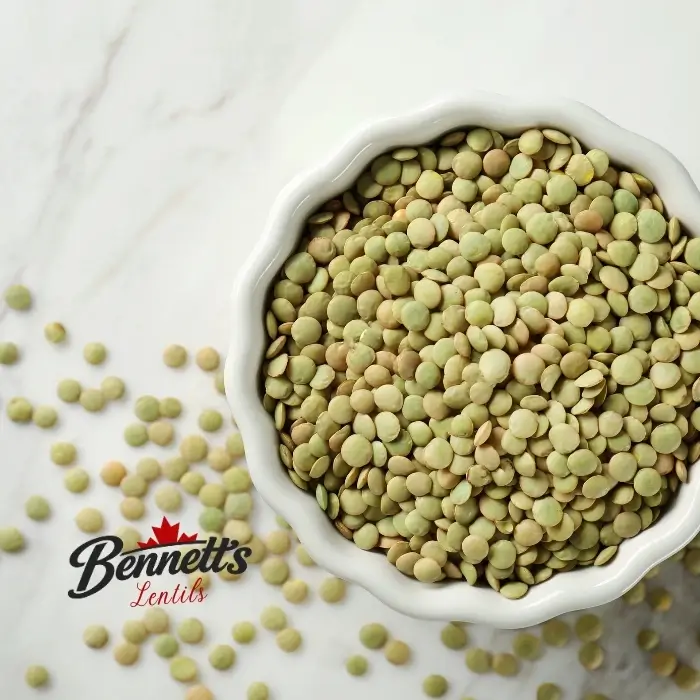
Canadian Richlea Lentils (Medium Green) Bulk Export Supply Program
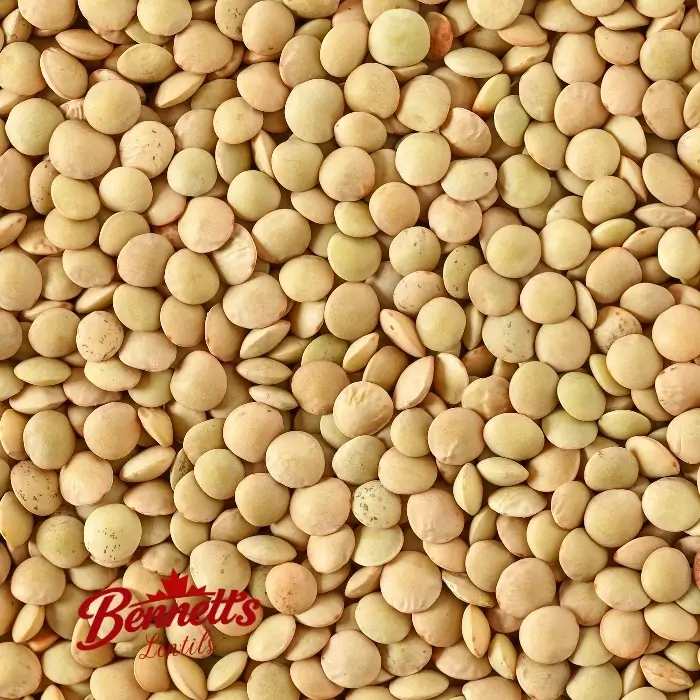
Richlea (often referenced as CDC Richlea) is a registered Canadian lentil variety developed through the Crop Development Centre (University of Saskatchewan). In export trade, Richlea is typically positioned as a medium-green program—useful for buyers who need a green lentil with a defined calibre profile and consistent lot execution. Canada’s green lentils are commonly described by seed size classes (large, medium, small), and the medium class includes CDC Richlea in Canadian quality reporting. We build offers around buyer targets and verify shipment outcomes by lot prior to load-out to reduce receiving risk.
Richlea programs fit buyers who want a green lentil with a mid-range size profile and predictable shipment execution. Typical buyers include importers serving multiple channels, repackers who need consistent appearance in the finished pack, and manufacturers who prefer a stable calibre for handling and process consistency. If your end customer distinguishes “large vs medium vs small” greens, share your preferred calibre and any screen targets at RFQ stage—so the program is built around your market definition.
Medium Green Grade Targets & Calibre Control
We don’t rely on generic “posted specs.” Instead, we set grade targets at quotation and validate the shipping lot against those targets before loading. Canadian agronomy resources describe green lentils by seed size classes (large/medium/small), with Laird-type used as a large-green designation and Eston-type used for small greens; Richlea is recognized within the medium category (e.g., CDC Richlea in Canadian quality reporting).
Common grade variables (set at quote, verified by lot):
We align export documentation to destination requirements (documentation isn’t identical across markets). A typical export file includes:
Commercial invoice
Packing list
Bill of lading
Destination-dependent additions can be supported where required/requested:
Phytosanitary certificate
Certificate of origin (if requested/required)
COA / lab testing (moisture, defects, FM, etc.)
Third-party inspection (upon request)
If your customer requires specific wording, legalization steps, or additional data fields for clearance, include those requirements in the RFQ so documentation is planned—not improvised.
Logistics & Trade Terms
Medium-green programs are usually quoted most cleanly when the shipment plan is defined upfront: destination + window + execution format. We can structure offers around FOB, CFR, or CIF where applicable, depending on route and booking conditions. Final lead time is confirmed at booking so landed-cost planning reflects real carrier availability and seasonal movement.
To reduce disputes at destination, we align the quote to:
Richlea (medium green) is commonly selected when buyers want a calibre profile that sits between large-green and small-green programs while still maintaining a clean, consistent appearance for distribution and packing. Green lentils are often segmented by seed size in market discussions; aligning calibre expectations early is the fastest way to avoid “this isn’t the size we expected” issues on receiving. If your end market has a defined definition for “medium green,” specify screens and defect tolerances at quotation so lot selection matches the final product goal.
Richlea (often referenced as CDC Richlea) is a registered Canadian green lentil variety. In Canadian quality reporting, CDC Richlea is included within the medium lentil category, which aligns with how many export programs position Richlea as “medium green.”
Green lentils are commonly described by seed size classes (large, medium, small). Saskatchewan agronomy resources note Laird-type as a large-green designation and Eston-type as a small-green designation; Richlea is recognized within the medium category (e.g., CDC Richlea in Canadian quality reporting).
If your customer specification defines a size profile (or your market distinguishes medium vs large greens tightly), request screens/calibre targets in the RFQ. Calibre alignment is one of the biggest drivers of receiving acceptance for green lentil programs.
Repack and distribution buyers typically focus on consistent appearance, low foreign material, and stable calibre profile. If your finished pack is sensitive to visual uniformity, define defect tolerances and screens at quotation stage.
No. Export pricing depends on grade/calibre targets, volume, packaging, destination, and trade terms. Send your RFQ details and we’ll return an offer aligned to your shipment window and receiving requirements.
Destination, trade term, volume, packaging, grade targets (including screens/calibre), and shipping window. With these six inputs, we can price without repeated back-and-forth.