Canadian Eston Lentils (Small Green) Bulk Export Supply Program
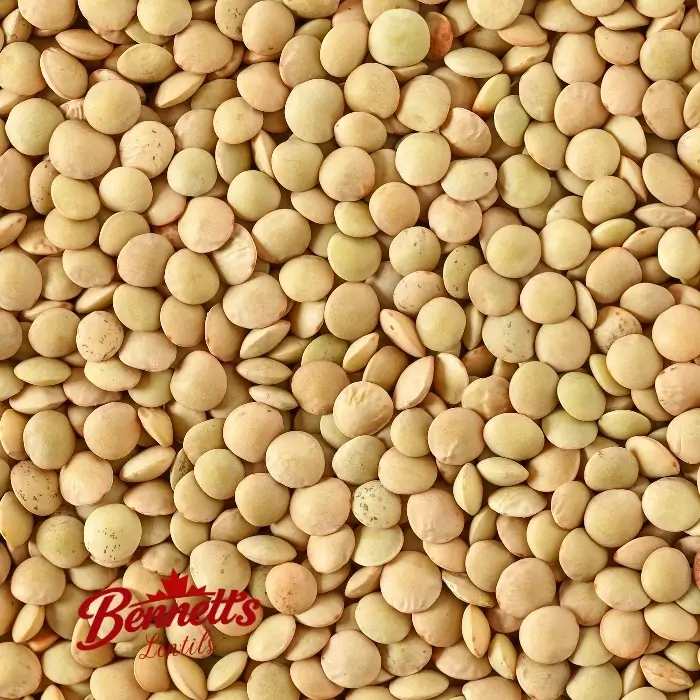
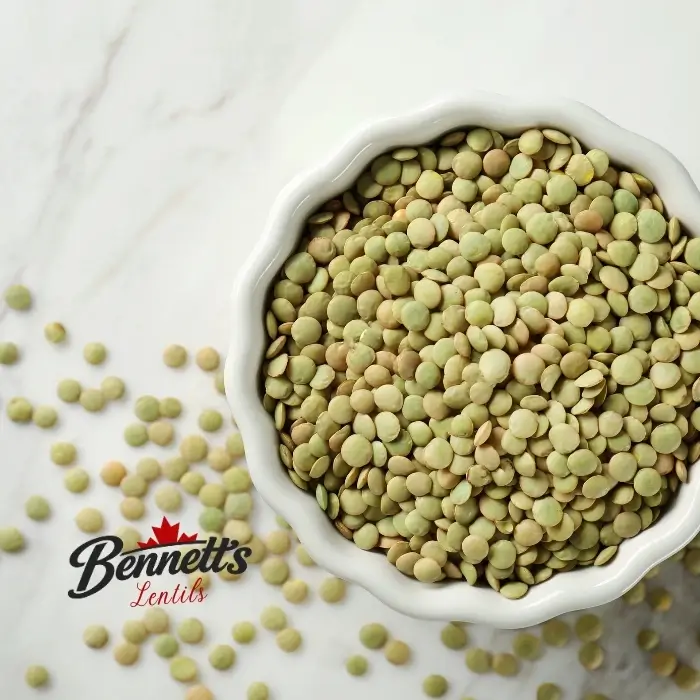
Eston is widely associated with small green (Eston-type) lentils in Canadian market language—selected by buyers who want a smaller-seed green lentil with a defined size profile and clean, consistent appearance. This program is built for importers, repackers, and food manufacturers who need predictable execution: grade targets agreed at quotation, shipment verification by lot before loading, and documentation aligned to destination requirements. If your market is sensitive to size distribution, visual uniformity, or strict foreign material limits, we structure the quote around those receiving standards from the start.
Eston (small green) programs fit buyers whose customers notice size. Typical buyers include importers serving retail-pack channels, distributors supplying foodservice, and manufacturers who need stable performance in prepared foods. Small green is often chosen when the end market prefers a tighter, smaller seed profile than large or medium greens. If your customer specification defines a “small green” size profile or screen requirement, share it early—because size distribution is one of the fastest reasons shipments get flagged on receiving.
Small Green Grade Targets & Size Uniformity
We don’t rely on generic posted specs. We set grade targets at quotation and confirm shipment outcomes by lot before loading—aligned to your destination and customer requirements.
Common grade variables for small green programs (set at quote, verified by lot):
Moisture maximum (contract target)
Foreign material limit (contract target)
Purity target (contract target)
Defect tolerances (damaged, stained, broken)
Size profile / screens (key for small green acceptance)
Appearance expectations (market-dependent)
Example quoting framework (small green focus):
Item
What the buyer defines
How it’s verified
Moisture
max target
lot testing / COA if requested
Foreign material
max target
cleaning/inspection confirmation
Fines/dust
tolerance
process outcome + verification
Color/appearance
acceptable range
grading + buyer-aligned expectations
Split uniformity
target outcome
lot verification prior to load
Special requirements
destination/customer-specific
agreed at quote
Packaging & Containerization
Packaging is matched to your receiving and downstream workflow:
Bags (bulk-trade export formats)
Food-grade totes (where faster discharge and reduced handling are preferred)
At quotation stage, we confirm execution details that prevent receiving issues:
lot coding and traceability markers
label format (language + buyer reference fields)
pallet/no-pallet preference (where applicable)
handling requirements tied to your warehouse or repack line
If you plan to repack for retail, include labeling and lot-identification requirements in the RFQ so the program is executed to your compliance workflow, not adjusted late.
Trade Terms & Shipment Planning
Small green programs price best when the shipment plan is clear: destination + shipping window + execution format. We can structure offers around FOB, CFR, or CIF where applicable, based on route and booking conditions.
To keep execution predictable, we align:
size/grade targets and verification method
pack format and container approach
any inspection/testing requirements
final shipping window confirmation at booking
This reduces last-minute changes that usually create delays, rework, or claims.
Export Documentation & Destination Requirements
Documentation is aligned to destination requirements (it varies market to market). A typical export set includes:
Commercial invoice
Packing list
Bill of lading
Destination-dependent additions can be supported where required/requested:
Phytosanitary certificate
Certificate of origin (if requested/required)
COA / lab testing (moisture, defects, FM, etc.)
Third-party inspection (upon request)
If your market requires specific wording, legalization, or extra certificate steps, include that requirement in your RFQ so it’s built into execution.
Applications & Buyer Notes (Small Green)
Small green (Eston-type) programs are often selected when buyers want a smaller, uniform seed profile and a consistent look in the finished pack. For repackers and prepared-food channels, the biggest acceptance drivers tend to be:
tight size distribution (screens)
clean appearance and low foreign material
stable defect profile aligned to the receiving standard
If your end customer differentiates “small vs medium vs large” greens visually, define your size profile at quotation—because the program should be built around what your customer calls “small green,” not an assumed standard.
Eston is commonly associated with small green (Eston-type) lentils in Canadian market language. Buyers typically use “Eston” when they want a small-seed green profile and consistent appearance for repack or ingredient channels.
In many trade conversations, yes—“Eston-type” is often used as a shorthand for small green programs. If your market defines “small green” by a specific screen profile, include that in your RFQ so the shipment matches your definition.
Choose small green when your end market cares about a smaller seed profile (visual uniformity in the pack, defined size expectations, or product lines where size affects presentation). If your customer doesn’t specify size, you may not need strict screens.
Screen targets depend on your market and customer spec. If your buyer spec references a size distribution, share it at RFQ stage so the quote and lot selection are built around that target and verified prior to loading.
Most repack buyers focus on size uniformity, clean appearance, low foreign material, and a tight defect profile. If your finished pack is premium-positioned, define stricter screens and defect limits to protect shelf consistency.
We don’t list export pricing online because it depends on grade targets (especially screens), volume, packaging, destination, and trade terms. Send an RFQ with your targets and shipment window for a program-specific offer.